THE FINISH
Flat carries a lower limit
US federal rules cap flat interior paint at 250 g of VOCs per liter, against 380 g for nonflat, glossier paint.
Compare the limits
DECORATING, WITH SOURCES
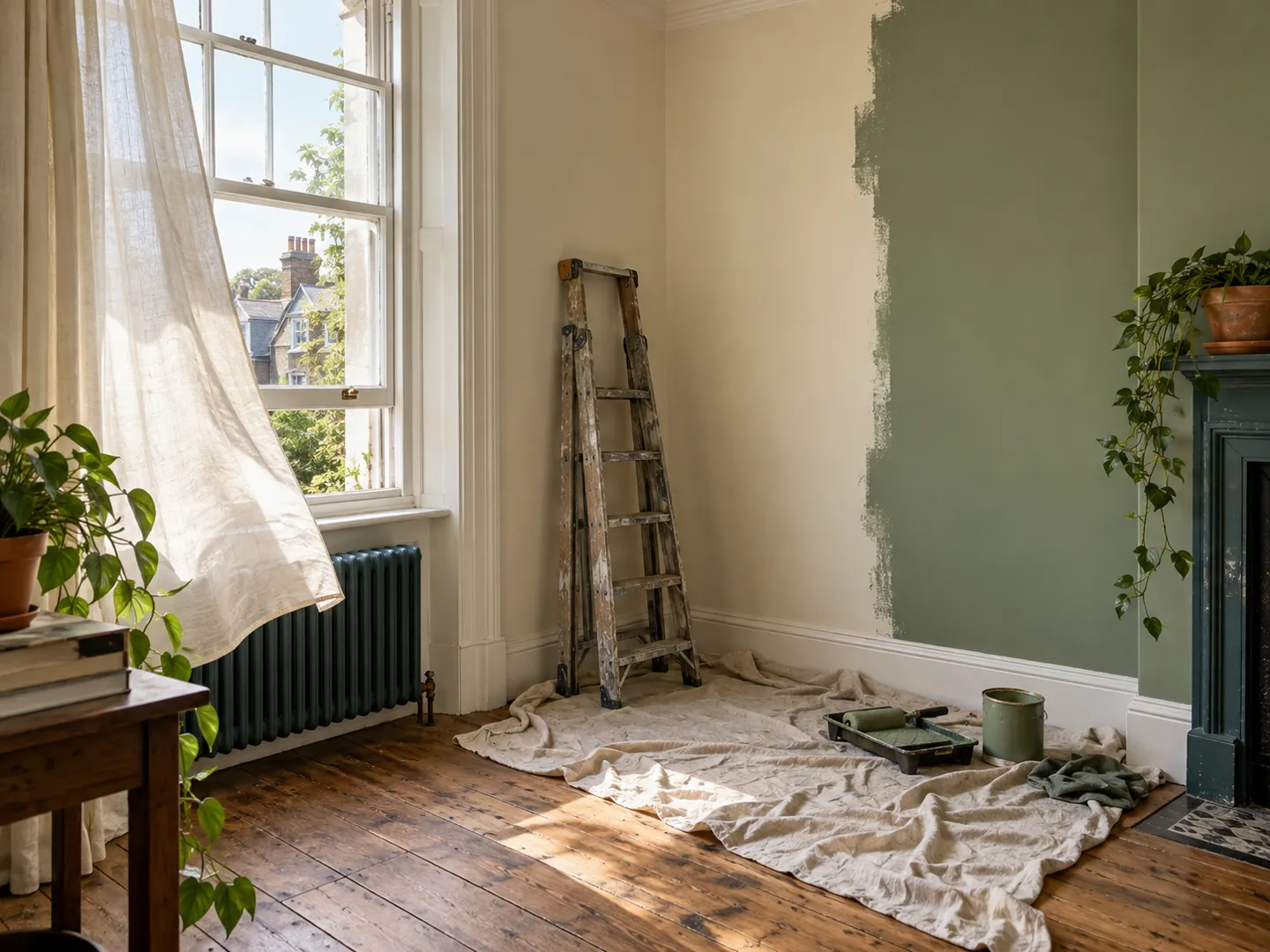
FRESH COAT open a window
AI-generated image, not a photograph of a real person or place.
A fresh coat is the easiest home upgrade there is. A few numbers are worth knowing first.
Paint gives off solvents as it dries, older homes can hide lead under newer coats, and a surprising share of every can ends up unused. Here is what regulators and public bodies actually say, in plain English.
Plain English, with the sources linked.
THE SHORT VERSION
Three things decide how healthy and tidy
a painting weekend turns out.
THE FINISH
US federal rules cap flat interior paint at 250 g of VOCs per liter, against 380 g for nonflat, glossier paint.
Compare the limitsTHE AIR
Several organic compounds average 2 to 5 times higher indoors than outdoors, and painting adds to them.
Why ventilation helpsTHE OLD LAYERS
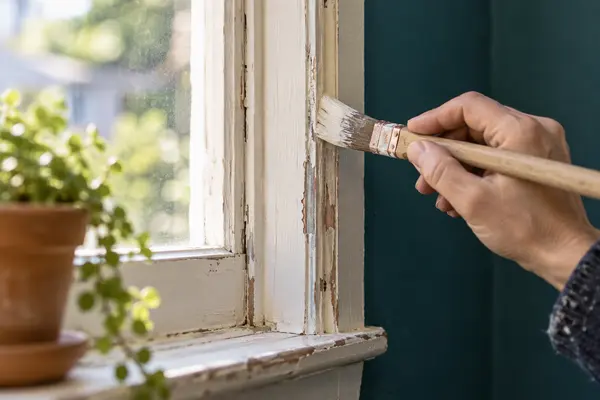
Homes built before 1978 are likely to contain lead-based paint, EPA says. Old original coats deserve gentler preparation.
Check your paintwork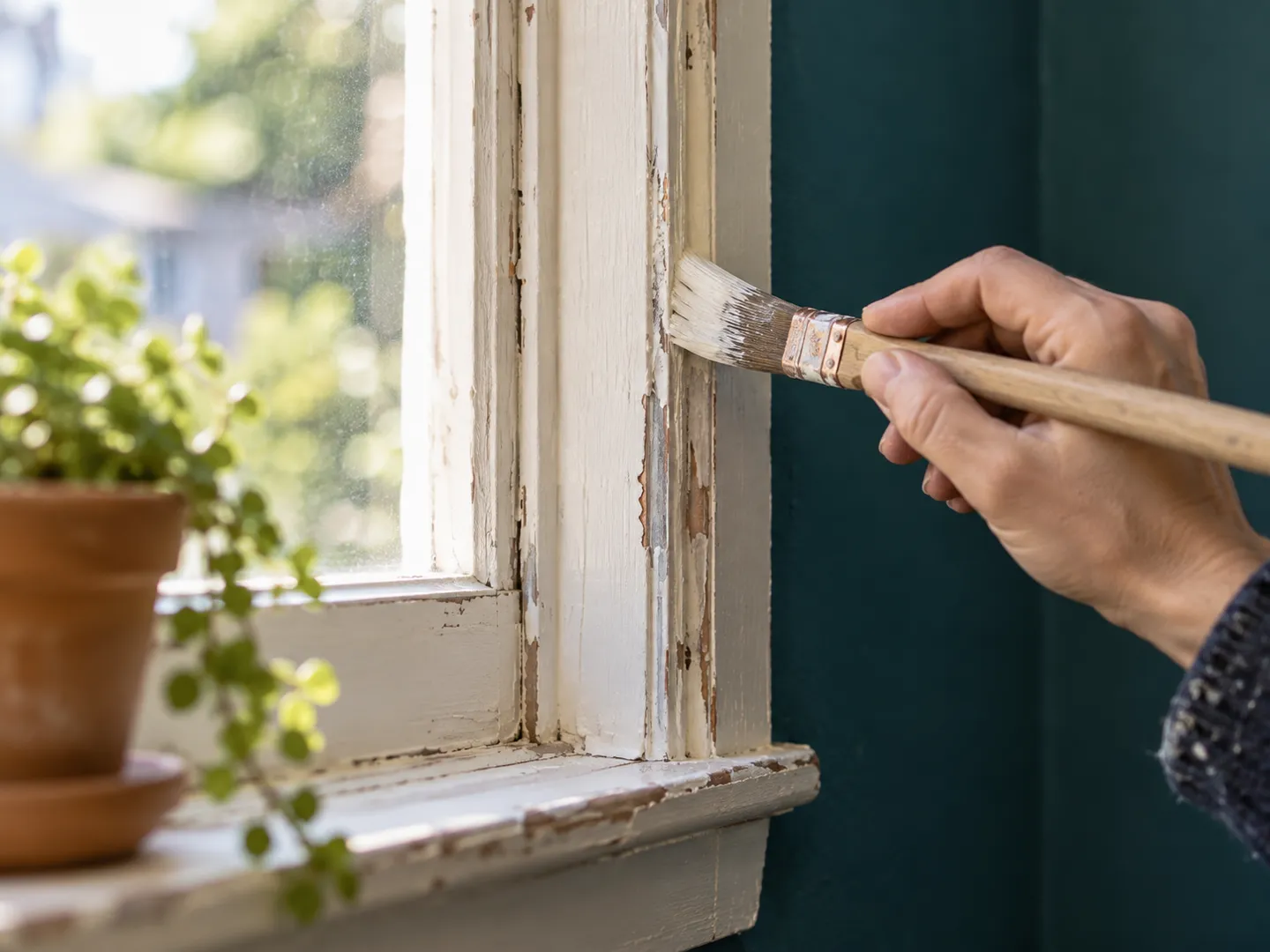
BEFORE YOU START
The EPA's advice is to meet or exceed any label precautions. The label is the maker's own guidance for that product, including drying and airing times.
Increase ventilation while you paint and while it dries. Fresh air helps carry away compounds that would otherwise build up indoors.
On paintwork that might contain lead, skip open-flame burning and power sanding without HEPA dust control. EPA bars renovation firms from both.
Buy in quantities you will use soon, and offer good leftovers to a paint reuse or take-back program instead of storing half-full cans for years.
TWO NUMBERS WORTH KNOWING
What goes into the can, and what comes out
into the room.
250 vs 380 g/l
Maximum VOCs, flat and nonflat coatings
Under EPA's national VOC limits for architectural coatings (40 CFR 59, subpart D), interior flat coatings may hold at most 250 grams per liter (2.1 lb/gal); nonflat coatings, up to 380.
IN THE CAN · US EPA RULES
2–5× to 1,000×
Organics indoors compared with outdoors
Studies found several organics average 2 to 5 times higher indoors. During and for hours after activities such as paint stripping, levels may reach 1,000 times background outdoor levels.
IN THE ROOM · US EPA
A limit is a ceiling, not a typical value: many paints sit well under it. The EPA's first advice is simple: increase ventilation when using products that give off these compounds.
A QUICK OLD PAINT CHECK
Pick the description that fits the woodwork or walls you plan to prepare. The notes come from the federal lead pamphlet Protect Your Family From Lead in Your Home.
This is a rough guide, not a test. Only a test can show whether a particular surface contains lead.
PAINT FACTS
The US Environmental Protection Agency says levels of several organic compounds average 2 to 5 times higher indoors than outdoors, even before you open a can.
According to the EPA, elevated concentrations can persist in the air long after an activity is finished, which is why airing a room matters after the brushes are washed.
US federal rules set separate VOC ceilings by sheen: 250 g/l for flat coatings and 380 g/l for nonflat coatings, indoors or out.
In 1978, the federal government banned consumer uses of lead-containing paint. EPA says homes built before 1978 are likely to contain lead-based paint.
The EPA estimates that about 10 percent of architectural paint sold in the US is left unused. Its advice is to buy only as much as you will use soon.
QUICK QUESTIONS
Short answers to the questions people ask most.
Under EPA's national VOC limits for architectural coatings, flat coatings may contain at most 250 grams of volatile organic compounds per liter, while nonflat (glossier) coatings may contain up to 380 grams per liter.
Paints release volatile organic compounds as they dry. The US Environmental Protection Agency says levels of several organics average 2 to 5 times higher indoors than outdoors, and that elevated levels can persist after an activity has finished.
It could if the home was built before 1978. EPA says homes built before then are likely to contain lead-based paint; that year the federal government banned consumer uses of lead-containing paint.
EPA warns lead dust can form when lead-based paint is scraped, sanded or heated. Its rules for renovation firms ban open-flame burning, heat guns above 1100°F, and power sanding without a shroud and HEPA vacuum.
Buy in quantities you will use soon, as the EPA advises, and pass on what is left. The EPA estimates about 10 percent of architectural paint sold in the US goes unused.
Each figure on this page comes from the sources below.
A NAME WITH A FRESH COAT
doodlepainter.com is part of the DoodleSale portfolio. It isn't in an auction right now, but you can ask about leasing it.